Moderate tier
Property tax in California: the typical bill, Proposition 13 and the appeal filing window
California taxes a home on the value it had when it last sold, plus a capped yearly increase, not on today's market. Here is what that means for your bill, the exemption you must claim and when to appeal.
By AbodePine Editorial Team Updated 6 min read
- Typical rate
- 0.72% of home value
- Median annual bill
- $5,537
- Homeowner relief
- $7,000 exemption; 2% cap
- Appeal deadline
- July 2 to Sep 15 or Nov 30
In brief
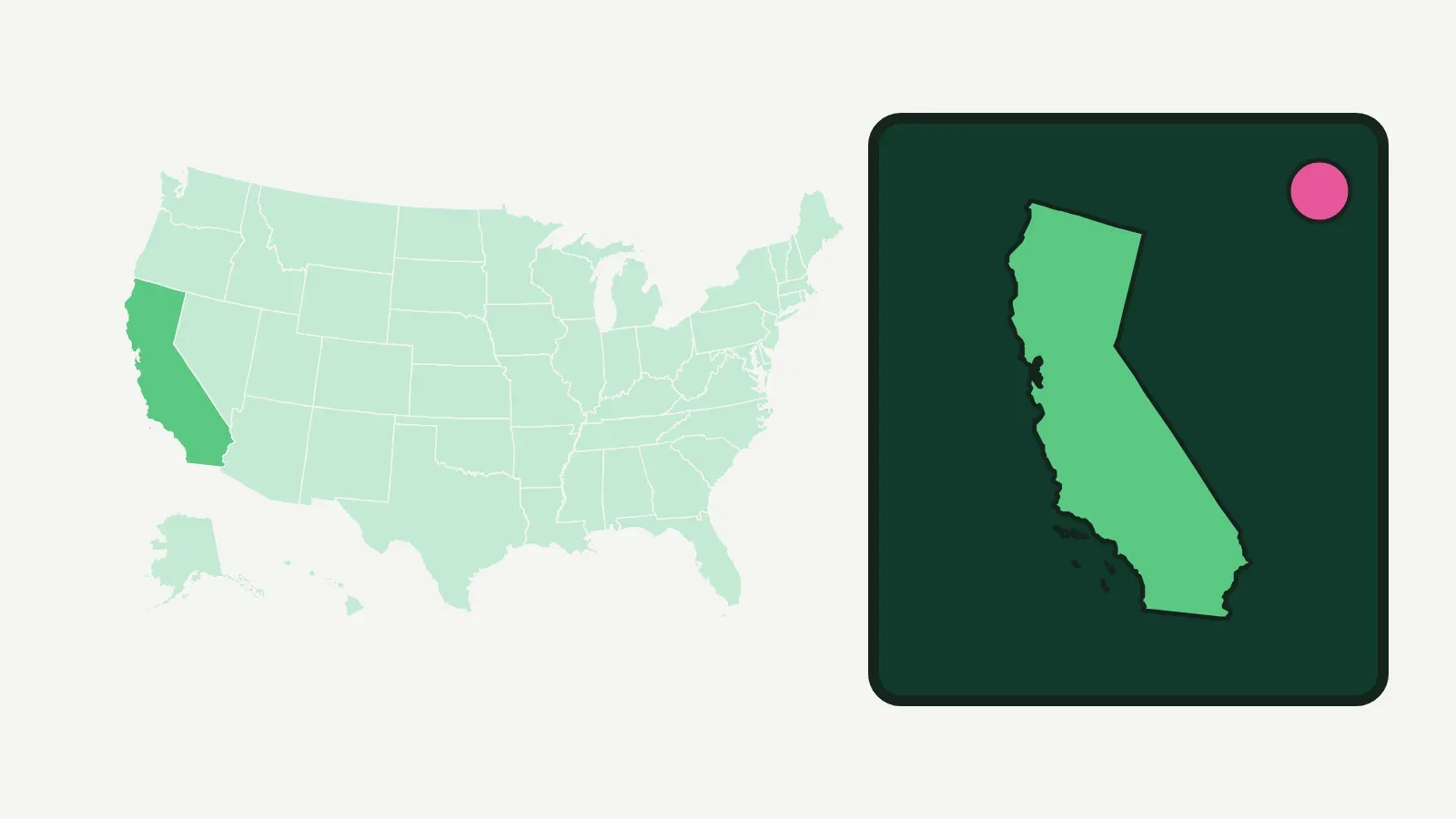
California owner households paid a median of $5,537 in property tax in 2025 on a median home value of $770,700, about 0.72% of value, which puts the state in the "moderate" tier on the map. Proposition 13 limits the tax rate to 1% plus voter-approved debt and, in most cases, limits yearly increases in taxable value to 2%. The homeowners' exemption is a $7,000 reduction in the taxable value of an owner-occupied home. Regular appeals are filed from July 2 to September 15 or November 30, depending on the county.
California at a glance
How the bill is built
The typical figures above come from the Census Bureau's 2025 American Community Survey: the median real estate tax paid by California homeowners divided by the median home value. It is a survey estimate for the whole state, not a tax rate, and your own bill depends on where the home sits and when you bought.
The State Board of Equalization explains the framework this way. In 1978, Proposition 13 rolled back most local real property assessments to 1975 market value levels, limited the property tax rate to 1 percent plus the rate needed to fund local voter-approved bonded debt, and in most cases limited future increases to a maximum of 2 percent a year. A property's base year value is its market value in 1975 or when it last changed ownership or had new construction. That base value is adjusted each year by the lower of the change in the California Consumer Price Index or 2 percent.
Three county offices handle the bill. The assessor identifies ownership, sets the taxable value and applies exemptions. The auditor-controller computes the tax and the rates. The tax collector mails the bill and collects it. This is why two neighbors with similar homes can pay very different amounts: the taxable value follows each home's own purchase history. The property tax estimator lets you try the numbers on your own bill.
What lowers your bill
The California Constitution provides a $7,000 reduction in the taxable value for a qualifying owner-occupied home. The home must have been your principal place of residence on January 1, the lien date. At the 1% base rate, $7,000 of taxable value is $70 of tax a year, before any voter-approved charges on the bill.
Two other rules can change the taxable value. Under Proposition 8, if the market value on January 1 falls below the adjusted base year value, the assessor enrolls the lower figure, and the value can rise again later, but never above the adjusted base year value. And the Board of Equalization lists Propositions 60/90, 110 and 19 as programs that let some homeowners 55 or older, disabled owners or victims of a wildfire or natural disaster transfer their base year value to a replacement home. The rules are detailed, so read the Board's pages or ask your assessor before you sell. See also homestead exemptions.
Appealing your assessment
You appeal to your county's assessment appeals board by filing Assessment Appeal Application BOE-305-AH with the clerk of the board. The Board of Equalization says the filing period for a regular appeal of the value on the January 1 roll is July 2 to September 15, or July 2 to November 30, depending on the county. Check your own county's dates.
- After a sale or new construction: if you are appealing a supplemental assessment, file within 60 days of the mailing of the notice, or of the supplemental tax bill if no notice was sent.
- After a disaster: to contest a calamity reassessment, file within six months of the mailing of the notice.
- Burden of proof: for a single-family home occupied by the owner as a primary residence, the burden is on the assessor to show the value is correct.
- Keep paying: you must pay your taxes on time while an appeal is pending; if you win, you get a refund with interest.
The board can lower, keep or raise the value, and its decision is final unless you challenge it in superior court within six months. A hearing must be held within two years of a timely filing. The general steps and evidence are in how to appeal your property tax assessment.
Who to call
- Value, exemptions and the notice: your county assessor.
- Appeal forms and the filing window: the clerk of the board in your county.
- The bill and payments: your county tax collector. The Board of Equalization's Property Tax Department lists the 58 county offices.
To compare with other states, see the map of all states.
Questions people ask
How much is property tax in California?
The Census Bureau's 2025 survey puts the median at $5,537 a year, or about 0.72% of a median home value of $770,700. Your own bill depends on your base year value and the voter-approved charges where the home sits.
What is the California homeowners' exemption?
A $7,000 reduction in the taxable value of a home you live in as your principal residence on January 1. File form BOE-266 once with the county assessor.
How much can my California property tax go up each year?
In most cases the taxable value can rise by no more than 2% a year. A sale or new construction resets the base year value.
When can I file a property tax appeal in California?
July 2 to September 15 in some counties and July 2 to November 30 in others, filed with the clerk of the board. A supplemental assessment is appealed within 60 days of the notice.
Sources
- U.S. Census Bureau — American Community Survey 2025 1-year, table B25103 (median real estate taxes paid)
- U.S. Census Bureau — American Community Survey 2025 1-year, table B25077 (median home value)
- California State Board of Equalization — Homeowners' Exemption
- California State Board of Equalization — Decline in Value, Proposition 8
- California State Board of Equalization — Assessment Appeals FAQs
- California State Board of Equalization — Survey topic, Assessment Appeals
- California State Board of Equalization — Property Tax Bill FAQs
The typical rate is the Census median tax divided by the median value, a survey estimate. The Board of Equalization's own summary of Proposition 13 says "in most cases" for the 2 percent limit. Facts on this page were checked against these sources on November 20, 2026; confirm the current year's deadline with your county's clerk of the board.
Next to read
-
Owning guide
 Appeal your property tax assessment
Check the deadline, gather sales of similar homes and file on time. A worked savings example.
-
Owning guide
 Homestead exemptions
Relief for owners who live in the home: what it saves, how to apply and what is changing.
-
Owning guide
 Escrow accounts explained
How your lender collects tax and insurance, why the payment changes and what a shortage means.