Low tier
Property tax in Nevada: the typical bill, the 3% cap and the January 15 appeal deadline
Nevada's typical bill is one of the lowest on the map, and a cap limits how fast an owner-occupied home's bill can rise. Here is how it works and when to appeal.
By AbodePine Editorial Team Updated 5 min read
- Typical rate
- 0.47% of home value
- Median annual bill
- $2,172
- Homeowner relief
- 3% bill cap for homes
- Appeal deadline
- January 15
In brief
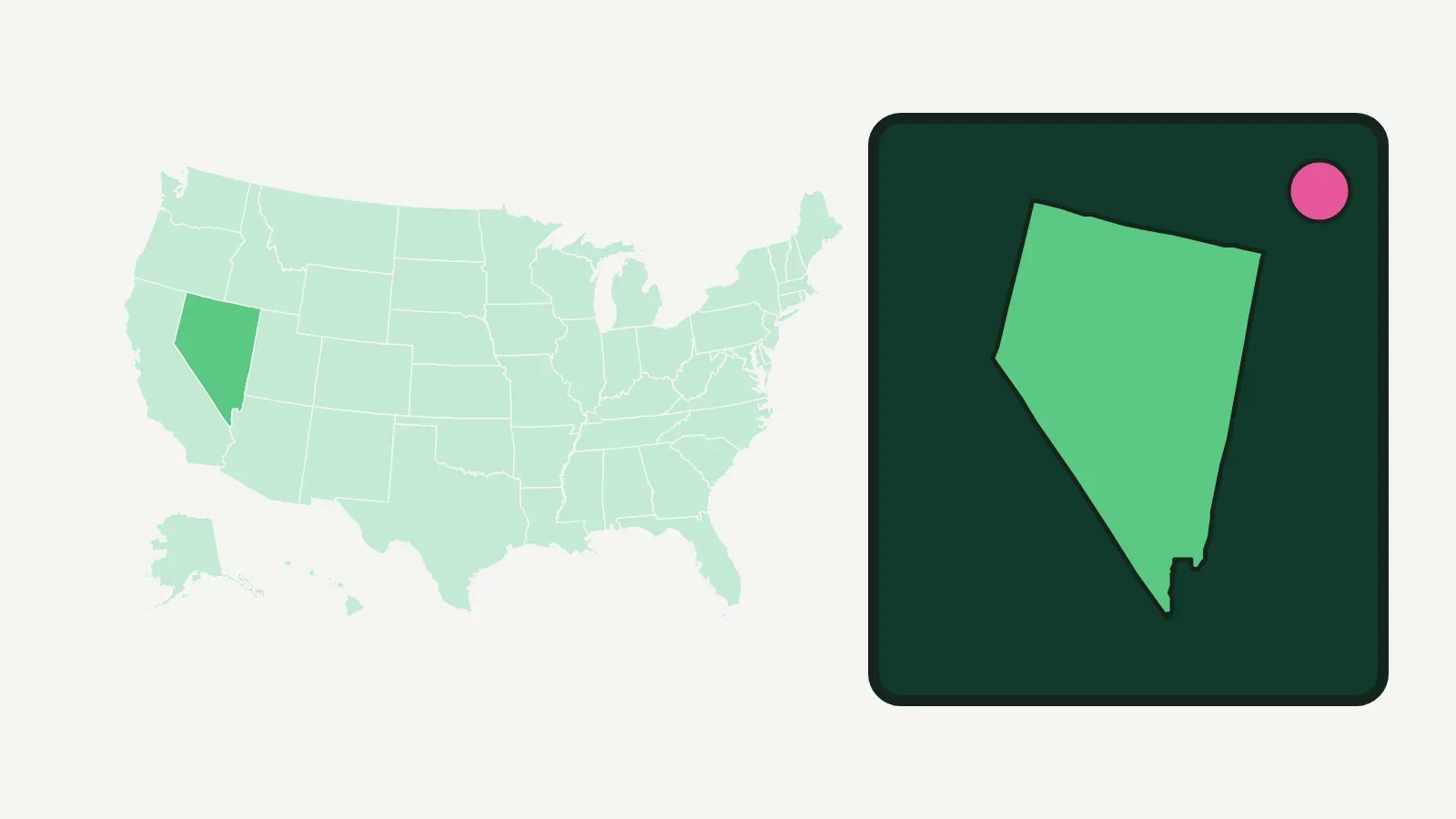
Nevada owner households paid a median of $2,172 in property tax in 2025 on a median home value of $459,400, about 0.47% of value, which puts the state in the "low" tier on the map. The county assessor sets the value, and a partial abatement known as the tax cap limits increases in the bill on an owner-occupied primary residence to 3%. Appeals to the county board of equalization are due by January 15.
Nevada at a glance
How the bill is built
The typical figures above come from the Census Bureau's 2025 American Community Survey: the median real estate tax paid by Nevada homeowners divided by the median home value. It is a survey estimate for the whole state, not a tax rate, and your own bill depends on where the home sits.
The county assessor estimates your property's taxable value, which Washoe County's assessor describes as its estimate of full cash value, meaning market value. Clark County's assessor explains that the "assessed value" used for tax and exemptions approximates 35% of the taxable value. Local governments, such as the county, school district and city, then set rates, expressed per $100 of assessed value. The assessor values property; it does not set the tax rate. Real property tax is paid in four quarterly installments, with the first due on the third Monday in August in Washoe County.
The property tax estimator lets you try the rate from your own bill.
What lowers your bill
Nevada law, at NRS 361.471 to 361.4735, provides a partial abatement that limits, or caps, how much a tax bill can increase from one year to the next. Washoe County's assessor says all owner-occupied homes, including single-family homes, condos, townhouses and manufactured homes, are eligible for the 3% cap, which is applied to your tax amount, not to the assessed value. You can still see your value rise faster than 3%; the cap works on the bill. Rental properties qualify only under separate rules, with a form due June 15 in Washoe County.
| Exemption | Amount of assessed value |
|---|---|
| Veteran | $3,640 |
| Disabled veteran, 60% to 79% | $18,200 |
| Disabled veteran, 100% | $36,400 |
| Surviving spouse | $1,820 |
| Blind person | $5,460 |
Only certain owners qualify for these exemptions, and the rules vary by type. See also homestead exemptions.
Appealing your value
If the assessor cannot resolve your concern, you can appeal to the county board of equalization for a review of your property's taxable value. Washoe County's assessor says the appeal must be filed by January 15, and if that date falls on a weekend or legal holiday, the next business day. The same page notes that the burden of proof is on the taxpayer to show the valuation is in error or that the taxable value exceeds full cash value. Value notices are mailed by about December 18.
- Where to start: your county assessor's office; call about your notice before you file, since many questions resolve there.
- What to bring: recent sales of similar homes nearby, photos or estimates for condition problems, and the assessor's record of your home's size and features.
- If you lose: Washoe County lists March 10 as the deadline to appeal a county board decision to the State Board of Equalization. Confirm the date with your county.
The general steps, evidence and tips are in how to appeal your property tax assessment.
Who to call
- Your value and exemptions: the assessor of the county where the home is located, such as the Clark County Assessor or the Washoe County Assessor.
- Forms: the county assessor or the Nevada Department of Taxation, according to Washoe County.
To compare with other states, see the map of all states.
Questions people ask
How much is property tax in Nevada?
The Census Bureau's 2025 survey puts the median at $2,172 a year, or about 0.47% of a median home value of $459,400. Your own bill depends on your assessed value and the taxing units where the home sits.
What is the Nevada 3% property tax cap?
A partial abatement under NRS 361.471 to 361.4735 that limits how much your tax bill can rise, 3% for an owner-occupied primary residence per Washoe County's assessor. It caps the bill, not the assessed value.
When is the deadline to appeal my Nevada property value?
January 15, to the county board of equalization, or the next business day if it falls on a weekend or holiday.
What is assessed value in Nevada?
Clark County's assessor says assessed value approximates 35% of the taxable value, and exemptions are stated in assessed value.
Sources
- U.S. Census Bureau — American Community Survey 2025 1-year, table B25103 (median real estate taxes paid)
- U.S. Census Bureau — American Community Survey 2025 1-year, table B25077 (median home value)
- Clark County Assessor — Exemptions
- Washoe County Assessor — What If I Do Not Agree With The Appraisal?
- Washoe County Assessor — Important Dates
- Washoe County Assessor — FAQ Categories (taxable value, 3% tax cap)
The typical rate is the Census median tax divided by the median value, a survey estimate. Exemption amounts are the ones the Clark County Assessor lists in assessed value and change yearly; dates for appeals and exemptions are Washoe County's, and Nevada counties follow the same statutes. Facts on this page were checked against these sources on November 20, 2026; confirm the current year's amounts and deadlines with your county assessor.
Next to read
-
Owning guide
 Appeal your property tax assessment
Check the deadline, gather sales of similar homes and file on time. A worked savings example.
-
Owning guide
 Homestead exemptions
Relief for owners who live in the home: what it saves, how to apply and what is changing.
-
Owning guide
 Escrow accounts explained
How your lender collects tax and insurance, why the payment changes and what a shortage means.