Low tier
Property tax in New Mexico: the typical bill, the exemptions and the 30-day protest window
New Mexico's typical bill is among the lower ones on the map. Here is how the value is set, which tax savings programs you apply for, and how to protest.
By AbodePine Editorial Team Updated 5 min read
- Typical rate
- 0.63% of home value
- Median annual bill
- $1,856
- Homeowner relief
- $2,000 head-of-family cut
- Protest window
- 30 days after notice
In brief
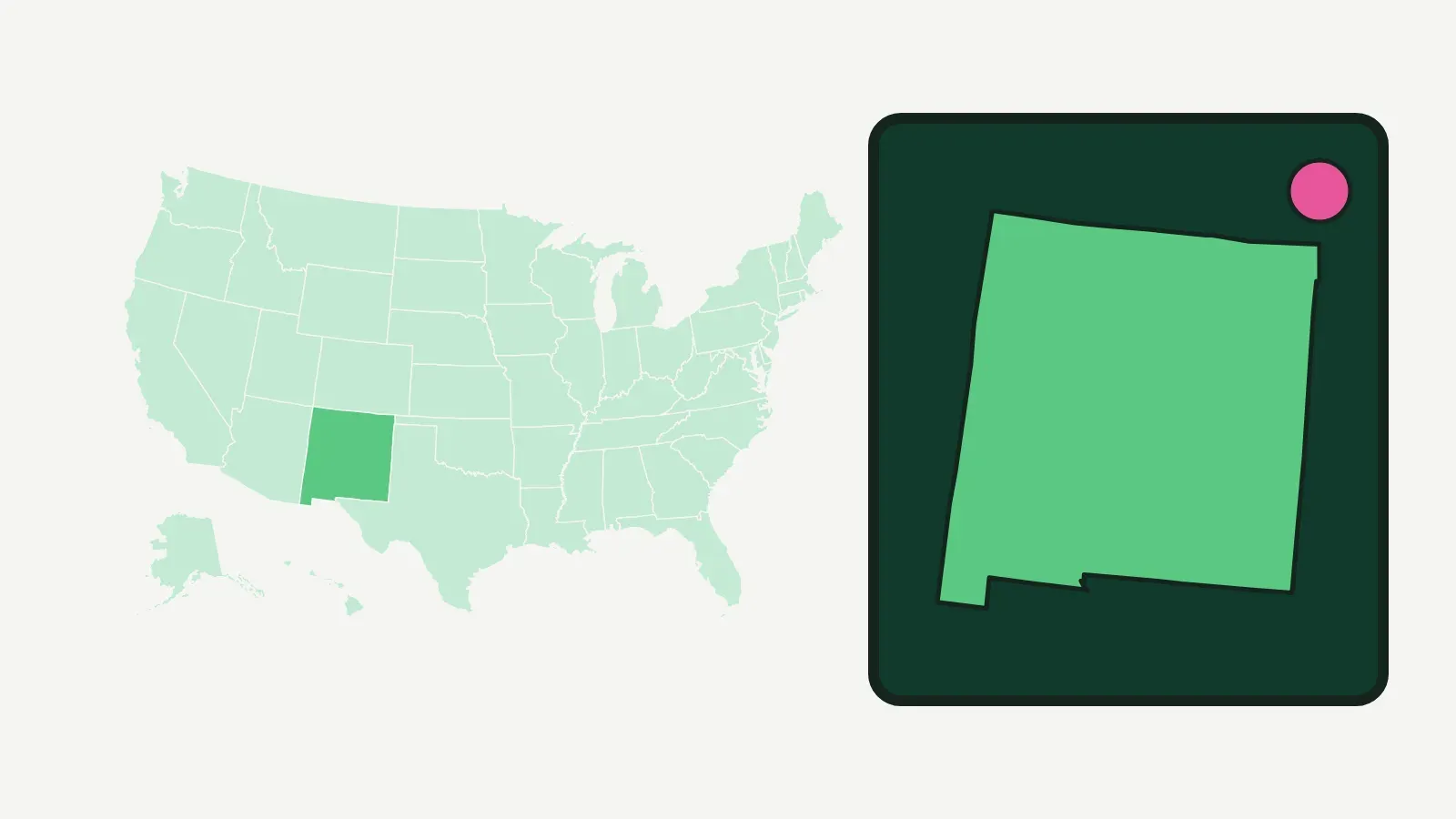
New Mexico owner households paid a median of $1,856 in property tax in 2025 on a median home value of $293,400, about 0.63% of value, which puts the state in the "low" tier on the map. The county assessor sets the value and sends a Notice of Value; the head of family exemption reduces taxable value by $2,000, and owners 65 or older or disabled may qualify for a value freeze. Counties give you about 30 days from the notice to act, so read the date on yours.
New Mexico at a glance
How the bill is built
The typical figures above come from the Census Bureau's 2025 American Community Survey: the median real estate tax paid by New Mexico homeowners divided by the median home value. It is a survey estimate for the whole state, not a tax rate, and your own bill depends on where the home sits.
In New Mexico the county assessor sets the value. The Bernalillo County Assessor, for example, describes its job as locating all taxable property, establishing a value for it, listing it on the assessment roll and applying all legal exemptions. The assessor does not compute or collect the bill, does not set tax laws and does not set the rules by which property is appraised. The county treasurer collects the tax. Each year the assessor mails a Notice of Value, and that notice starts the clock for exemption applications and protests. The property tax estimator lets you try the rate from your own bill.
What lowers your bill
New Mexico's relief comes as programs you apply for with your county assessor. Bernalillo County's assessor lists these, which follow state law, and the amounts below reduce taxable value rather than market value:
| Program | What it does |
|---|---|
| Head of family | Reduces taxable value by $2,000; one property per household in the state; claim once |
| Value freeze | 65 or older or disabled, modified gross income of $44,200 or less; stops increases in taxable value of your primary residence |
| Veteran | Up to $10,000 off taxable value; unremarried surviving spouses can claim |
| Disabled veteran | Exempts a percentage of the primary residence, based on the VA disability rating |
The head of family exemption needs to be claimed only once to continue in future years. The value freeze requires applying for three consecutive years, per the county. Income limits and amounts are set by state law and can change, so confirm them with your county assessor.
Protesting your value
If you disagree with the value on your Notice of Value, you file a protest with the county assessor. The Bernalillo County Assessor gives owners 30 days from the mail date on an amended Notice of Value to file a protest or appeal, and its protests run through the county's online appeal portal or at the assessor's office. The deadline for your protest is printed on your own notice, so use that date.
- What to bring: recent sales of similar homes nearby, photos or estimates for condition problems, and the assessor's record of your home's size and features.
- If you miss the deadline: Bernalillo County says you can still file a claim for refund in district court, but only if your first-half tax payment is made, and by January 10 of the next year. There are filing fees.
- Hearings: the Bernalillo assessor's protest division schedules hearings under the state Property Tax Code, which also provides for county valuation protests boards.
The general steps, evidence and tips are in how to appeal your property tax assessment.
Who to call
- Your value, exemptions and protest: the county assessor where the home is located; Bernalillo County offers a property search tool and a Property Tax Estimator/Property Locator on its assessor site.
- Your bill: the county treasurer.
To compare with other states, see the map of all states.
Questions people ask
How much is property tax in New Mexico?
The Census Bureau's 2025 survey puts the median at $1,856 a year, or about 0.63% of a median home value of $293,400. Your own bill depends on your value and the taxing units where the home sits.
What is the New Mexico head of family exemption?
It reduces the taxable value of your property by $2,000. You must be a New Mexico resident, only one household can claim it, it applies to one property in the state, and you claim it once, per the Bernalillo County Assessor.
Who qualifies for the New Mexico value freeze?
Owners who are 65 or older or disabled with modified gross income of $44,200 or less, according to Bernalillo County's assessor. It stops increases in the taxable value of your primary residence.
How long do I have to protest my New Mexico property value?
Usually 30 days from the mail date of your Notice of Value; Bernalillo County gives 30 days on an amended notice. Read the date on your own notice.
Sources
- U.S. Census Bureau — American Community Survey 2025 1-year, table B25103 (median real estate taxes paid)
- U.S. Census Bureau — American Community Survey 2025 1-year, table B25077 (median home value)
- Bernalillo County Assessor — Tax Savings Programs
- Bernalillo County Assessor — Protest Process/Claim for Refund
- Bernalillo County Assessor — Valuation Assessment Overview
- Bernalillo County Assessor — Legal, Exemption, Agricultural, and Protest Division
The typical rate is the Census median tax divided by the median value, a survey estimate. Program amounts are as the Bernalillo County Assessor lists them; other New Mexico counties apply the same state programs through their own assessors. Facts on this page were checked against these sources on November 20, 2026; confirm the current year's amounts and deadlines with your county assessor.
Next to read
-
Owning guide
 Appeal your property tax assessment
Check the deadline, gather sales of similar homes and file on time. A worked savings example.
-
Owning guide
 Homestead exemptions
Relief for owners who live in the home: what it saves, how to apply and what is changing.
-
Owning guide
 Escrow accounts explained
How your lender collects tax and insurance, why the payment changes and what a shortage means.