Moderate tier
Property tax in North Dakota: the typical bill, the credits and the April 1 deadline
North Dakota offers a state credit to most homeowners and a larger one to low-income seniors. Here is how the bill is built, who qualifies, and where to apply.
By AbodePine Editorial Team Updated 5 min read
- Typical rate
- 0.92% of home value
- Median annual bill
- $2,600
- Homeowner relief
- Up to $1,600 credit
In brief
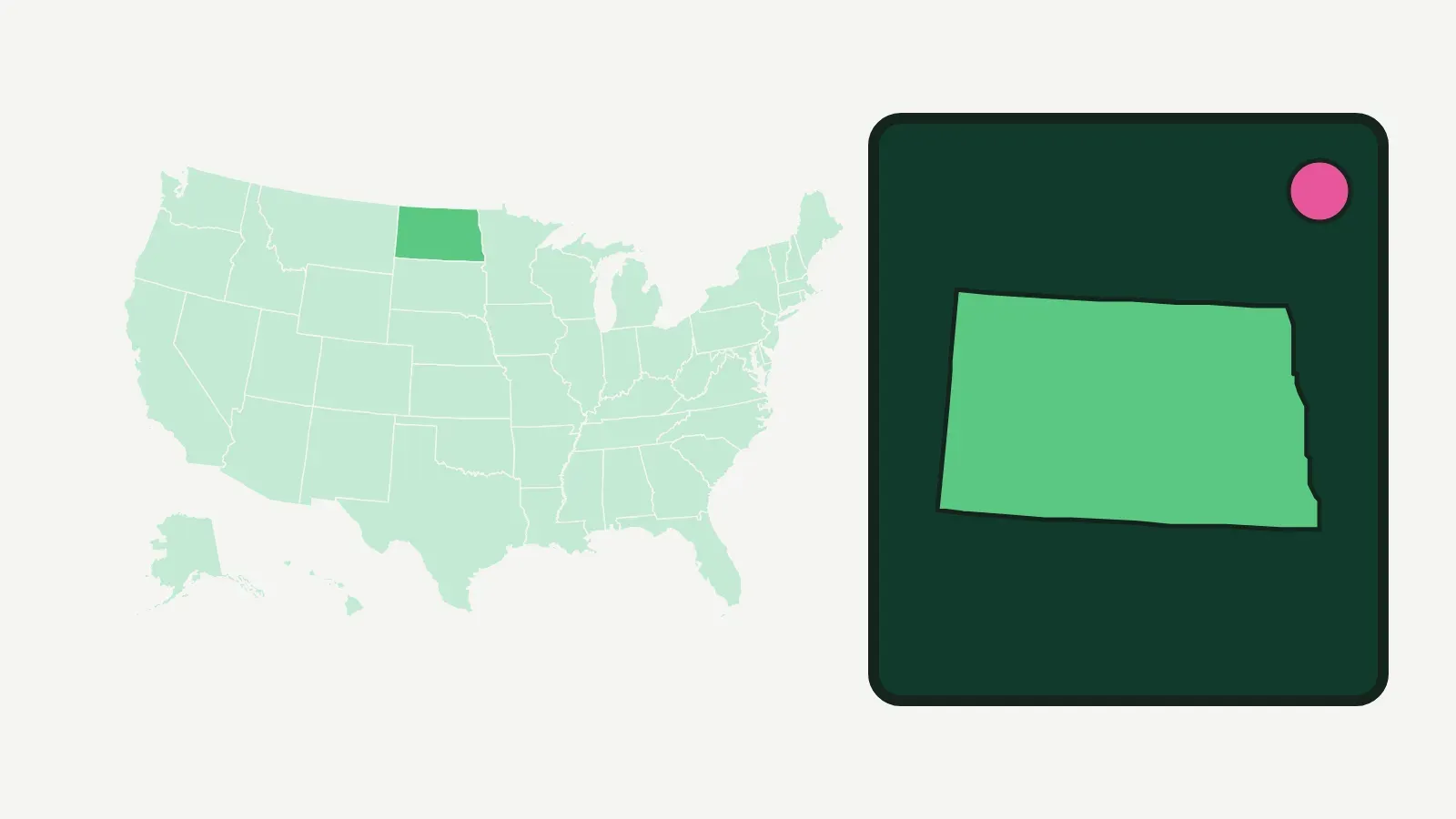
North Dakota owner households paid a median of $2,600 in property tax in 2025 on a median home value of $281,700, about 0.92% of value, which puts the state in the "moderate" tier on the map. Homeowners who live in their home can apply for a Primary Residence Credit of up to $1,600, with no age or income limit, between January 1 and April 1. Owners 65 or older or disabled may also qualify for a homestead credit.
North Dakota at a glance
How the bill is built
The typical figures above come from the Census Bureau's 2025 American Community Survey: the median real estate tax paid by North Dakota homeowners divided by the median home value. It is a survey estimate for the whole state, not a tax rate, and your own bill depends on the taxing units where the home sits.
In North Dakota, your local assessor, or the county director of tax equalization, sets your home's value, called true and full value in the Tax Commissioner's materials. The taxable value is a smaller share of it. The Tax Commissioner's homestead credit table pairs $9,000 of taxable value with $200,000 of true and full value, which works out to a taxable value of 4.5% of true and full value. Local taxing units apply their rates to the taxable value. The property tax estimator lets you try the arithmetic with the rates on your own bill,.
Both credits below require an application, and the windows close early in the year, so the practical move is to file in January, February or March, not at the deadline.
What lowers your bill
The Primary Residence Credit is a state credit that qualifying homeowners apply for each year through the Office of State Tax Commissioner. A homeowner who is approved may receive up to $1,600 against the property tax bill. You must own a home (a house, mobile home, townhome, duplex or condo) in North Dakota and live in it as your primary residence. Homes held in trusts qualify. There is no age or income limit, and only one credit is available per household. The application window is January 1 to April 1, and the Tax Commissioner has an application look-up tool in its online system.
The Homestead Property Tax Credit is for owners who are 65 or older or have a permanent and total disability. You must live in the home and have an ownership interest, and your income, including your spouse's and any dependents', must not exceed $70,000 for the year before the assessment date. There is no asset limit.
| Income | Taxable value reduced by | Maximum reduction of taxable value |
|---|---|---|
| $0 to $40,000 | 100% | $9,000 |
| $40,001 to $70,000 | 50% | $4,500 |
The Tax Commissioner says a household may qualify for more than one credit, including the Primary Residence Credit, the homestead credit and a disabled veterans credit. See also homestead exemptions for how relief differs across states.
If you disagree with your value
Appeals start locally. The page to rely on is your assessment notice and your local assessor or county director of tax equalization, who can tell you the meeting dates and the form for your city or county. This page gives no single date, because none was confirmed on an official page. If a case goes further, the State Board of Equalization posts its meeting agendas, and it lists local appeals by county.
- Ask first: call the assessor and ask how your value was set and what comparable sales were used.
- What to bring: recent sales of similar homes nearby, photos or estimates for condition problems, and the assessor's own record of your home's size and features.
- Do not skip the credits: an appeal is separate from the April 1 credit applications, so file those too.
The general steps and evidence are in how to appeal your property tax assessment.
Who to call
- Your value and credit applications: your local assessor, or the county director of tax equalization, for the county where the home is located.
- Primary Residence Credit questions: the Office of State Tax Commissioner, 701-328-7988 or 1-877-649-0112, [email protected].
- Homestead credit and property tax questions: the Office of State Tax Commissioner, 701-328-3127, [email protected].
Questions people ask
How much is property tax in North Dakota?
The Census Bureau's 2025 survey puts the median at $2,600 a year, or about 0.92% of a median home value of $281,700. Your own bill depends on your assessed value and the taxing units where the home sits.
What is the North Dakota Primary Residence Credit?
A state credit of up to $1,600 against your property tax obligation for homeowners who live in the home as their primary residence. There is no age or income limit, and the application window is January 1 to April 1.
Who qualifies for the North Dakota homestead credit?
Owners who are 65 or older or permanently and totally disabled, who live in the home and have income of $70,000 or less. The reduction in taxable value is up to $9,000 for income up to $40,000 and up to $4,500 above that.
When is the deadline to apply for North Dakota property tax credits?
April 1 for both the Primary Residence Credit and the homestead credit. File with the Tax Commissioner for the former and your local assessor or county director of tax equalization for the latter.
Sources
- U.S. Census Bureau — American Community Survey 2025 1-year, table B25103 (median real estate taxes paid)
- U.S. Census Bureau — American Community Survey 2025 1-year, table B25077 (median home value)
- North Dakota Office of State Tax Commissioner — Primary Residence Credit
- North Dakota Office of State Tax Commissioner — Homestead Property Tax Credit
- North Dakota Office of State Tax Commissioner — State Board of Equalization, Locally Assessed Property
The typical rate is the Census median tax divided by the median value, a survey estimate. The 4.5% ratio is calculated from the Tax Commissioner's homestead credit table, not stated by the Tax Commissioner. This page does not give a local appeal deadline because none was confirmed on an official page. Facts on this page were checked against these sources on November 20, 2026; confirm dates and amounts with your assessor.
Next to read
-
Owning guide
 Appeal your property tax assessment
Check the deadline, gather sales of similar homes and file on time. A worked savings example.
-
Owning guide
 Homestead exemptions
Relief for owners who live in the home: what it saves, how to apply and what is changing.
-
Owning guide
 Escrow accounts explained
How your lender collects tax and insurance, why the payment changes and what a shortage means.