High tier
Property tax in Wisconsin: the typical bill, the lottery and gaming credit and the Board of Review
Wisconsin assessments are local and annual, and the objection window is short. Here is how the bill is built, which credits show up on it, and what to do before the hearing.
By AbodePine Editorial Team Updated 5 min read
- Typical rate
- 1.20% of home value
- Median annual bill
- $3,810
- Homeowner relief
- Lottery and gaming credit
In brief
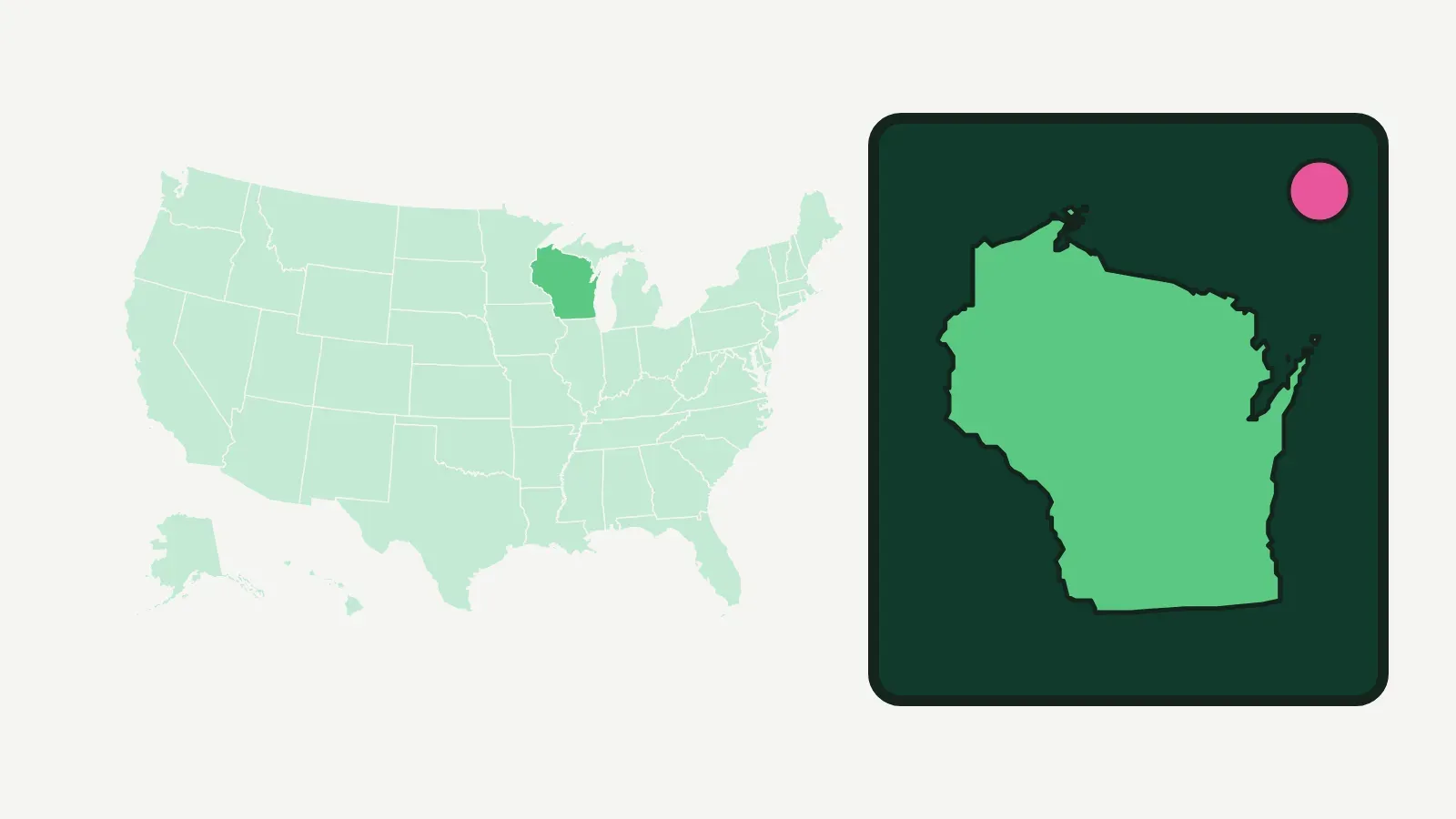
Wisconsin owner households paid a median of $3,810 in property tax in 2025 on a median home value of $316,500, about 1.20% of value, which puts the state in the "high" tier on the map. Owners who live in their home get a lottery and gaming credit on the bill. To object to an assessment, you give notice at least 48 hours before the first Board of Review meeting, which falls in a 45-day period that begins on the fourth Monday in April.
Wisconsin at a glance
How the bill is built
The typical figures above come from the Census Bureau's 2025 American Community Survey: the median real estate tax paid by Wisconsin homeowners divided by the median home value. It is a survey estimate for the whole state, not a tax rate, and your own bill depends on the municipality, county and school district where the home sits.
The Department of Revenue's guide for property owners says assessments are based on market value as of January 1, and that Wisconsin assesses annually, so each year's assessment is new. Local assessors value taxable property, and no Wisconsin county has a county assessor. The tax rate is the levy divided by the total assessed value of the municipality, and your tax is your assessed value times that rate. The taxing jurisdictions named in the guide are the municipality, the county, the school district and the state.
Credits come off the result. The Department of Revenue lists three that can appear on a bill: the school levy tax credit, which covers all taxable real property, the first dollar credit, for a property with an improvement on the land, and the lottery and gaming credit. The property tax estimator lets you try the rate from your own bill.
What lowers your bill
The lottery and gaming credit reduces the net tax on your bill. To qualify you must be a Wisconsin resident who owns the dwelling and uses it as your primary residence on the January 1 certification date. Business property, rentals, vacant land and garages do not qualify. The credit stays with the property if it is sold, which matters when buyer and seller prorate taxes. The Department of Revenue sets a maximum value each November based on available funds, so the amount changes from year to year.
A separate relief program runs through the state income tax, not the property tax bill. The Wisconsin Homestead Credit is for owners and renters with limited household income. For 2025 the Department of Revenue's instructions require household income below $24,680 and show a maximum credit of $1,168. You must be 18 or older and either 62 or older, disabled or have earned income. See homestead exemptions for how these programs differ from state to state.
Objecting at the Board of Review
Your first step is the municipality's Board of Review, which the Department of Revenue says meets during a 45-day period beginning with the fourth Monday in April. Dates and times come from your municipality's Board of Review clerk. The timing rules are strict.
- Before the meeting: give the clerk written or oral notice at least 48 hours before the first scheduled meeting. Written notice is encouraged.
- At the meeting: file the signed Objection Form for Real Property Assessment (PA-115A). The clerk must receive it within the first two hours of the first meeting. If you missed the 48-hour notice, you can still file in that window and ask for a waiver.
- What to bring: recent sales of similar homes nearby, photos or repair estimates for condition problems, and the assessor's record of your home.
If you disagree with the Board's decision, the Department of Revenue's guide lists three routes. A circuit court action must be filed within 90 days of notice of the decision, and the court reviews only the Board's record. A complaint to the Department of Revenue must arrive within 20 days after the Board's determination is delivered, costs a non-refundable $100, and is not available for properties over $1 million in assessed value or in Milwaukee. An excessive assessment claim must be in writing and filed with the municipal clerk by January 31 of the year the tax is payable, and you cannot file it if you already appealed to the Department of Revenue or the circuit court. Because the routes interact, ask the Department of Revenue or an attorney before choosing.
The general steps, evidence and tips are in how to appeal your property tax assessment.
Who to call
- Your assessment and the Board of Review: your city, village or town assessor and the Board of Review clerk.
- Your bill and credit claims: the treasurer of the county or city that collects the tax.
- Rules and forms: the Wisconsin Department of Revenue.
Questions people ask
How much is property tax in Wisconsin?
The Census Bureau's 2025 survey puts the median at $3,810 a year, or about 1.20% of a median home value of $316,500. Your own bill depends on your assessed value and the taxing jurisdictions where the home sits.
What is the Wisconsin lottery and gaming credit?
A credit on the property tax bill for Wisconsin residents who own a home and use it as their primary residence on January 1. If it is missing from your bill, apply to the treasurer by January 31.
How do I object to my Wisconsin property assessment?
Give the Board of Review clerk notice at least 48 hours before the first meeting, then file Form PA-115A within the first two hours of that meeting. Your municipality sets the dates within a 45-day period that begins on the fourth Monday in April.
Does Wisconsin assess property every year?
Yes. The Department of Revenue says assessments are based on market value as of January 1 and are made annually, so the assessor may change your value even without inspecting the home.
Sources
- U.S. Census Bureau — American Community Survey 2025 1-year, table B25103 (median real estate taxes paid)
- U.S. Census Bureau — American Community Survey 2025 1-year, table B25077 (median home value)
- Wisconsin Department of Revenue — 2026 Guide for Property Owners (PB060)
- Wisconsin Department of Revenue — Board of Review: Filing Objections/Forms
- Wisconsin Department of Revenue — Lottery and Gaming Credit Program
- Wisconsin Department of Revenue — Property Tax Relief Credits
- Wisconsin Department of Revenue — 2025 Schedule H and H-EZ Homestead Credit instructions
The typical rate is the Census median tax divided by the median value, a survey estimate. The Homestead Credit figures are for 2025 claims. Facts on this page were checked against these sources on November 20, 2026; confirm current amounts and deadlines with your municipality and the Department of Revenue.
Next to read
-
Owning guide
 Appeal your property tax assessment
Check the deadline, gather sales of similar homes and file on time. A worked savings example.
-
Owning guide
 Homestead exemptions
Relief for owners who live in the home: what it saves, how to apply and what is changing.
-
Owning guide
 Escrow accounts explained
How your lender collects tax and insurance, why the payment changes and what a shortage means.